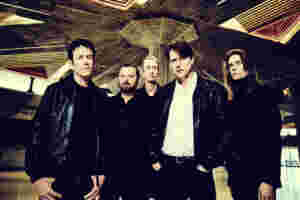
Track by track Track by track: Suede, ‘Antidepressants’
To mark the release of the rock titans’ tenth studio album, Brett Anderson gives us the lowdown on each song’s inspirations and interpretations.
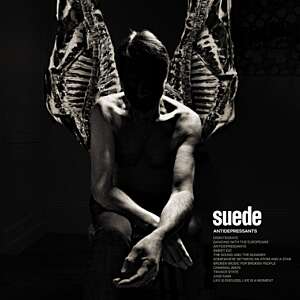
With ‘Antidepressants’ - the existential follow-up to 2022’s self-described “punk record” ‘Autofiction’ - Suede are steadfast and keenly self-aware, unafraid to expose and explore the murkier side of modern life by mining notions of mortality, 21st Century (dis)connection, and collective neuroses.
Now that the record is out in the world, we’ve picked the brains of frontman Brett Anderson to help us dig a little deeper into the stories behind each and every track on ‘Antidepressants’. Brett, take it away…
Disintegrate
‘Disintegrate’ is such a great word, and lots of songs I like share the title, like The Cure album, or that song by The Flaming Lips (‘Feeling Yourself Disintegrate’). There are lots of themes about a fear of death on this record, and this song is a celebration of your own mortality. Instead of hiding from your mortality, it’s about embracing it and celebrating it: “Come down and disintegrate with me”. Rather than a sad thing, it’s a dark celebration of your own demise.
Dancing With The Europeans
There’s a sense of optimism about this song. I remember specifically that we were doing a gig in Spain during the time we were writing this album; I was going through a bad time and at a low, personally, but we played this brilliant gig. There was a great connection between me and the audience, and I thought of the phrase — “dancing with the Europeans”. There’s something about that word, ‘Europeans’, that I really like. The phrase summed up the experience of looking for connection in a disconnected world: where do we find our connection? Where do we find those bonds with our fellow human beings? This show in Spain broke down those barriers.
Antidepressants
We started playing ‘Antidepressants’ live last year. It seemed like a simple song for people to get the first time around — if people don’t know a song, they sometimes need to just feel the rhythm. I don’t quite know what it’s about yet… I like not knowing what my songs are about. I like keeping myself guessing, and keeping everyone else guessing; it keeps it interesting.
You can’t really tell whether the song is a celebration of antidepressants, or whether it’s a criticism of antidepressants, but it’s certainly a discussion about them. It could be a broader comment on how, as a society, we seem to be turning every human condition into a diagnosis. There’s a sense that humanity is being reduced to a sort of medical condition, and that includes our emotional states as well. When we’re medicating for our emotional selves, what used to just be part of being a human being is now seen as something that can be medical. Is that a good thing? Is it a bad thing? I don’t know. It’s a thing, though. That’s what this song is talking about. We’re surrounded by it; so many people I know are. Medication has become an omnipresent condition in 21st Century life, and it felt like I had to sing something about it.
Sweet Kid
‘Sweet Kid’ is about my son — I think of it as a companion piece to ‘Life Is Golden’, from ‘The Blue Hour’, which is also specifically about my son. I wrote that when he was about four, when he was a little boy. He’s 12 now, in a completely different phase of his life — he’s just about to enter into adolescence; he’s almost a young man. This phrase, ‘Sweet Kid’, is what I call him sometimes, and the song is about my relationship with him. There’s a shadow of mortality there. There’s that feeling that I think every parent has, where their ultimate fear is that they’re not going to be around to see their kids grow up (which is always a possibility — no one really knows what’s around the corner). When I’m writing about my family, I try not to make it too sweet. It’s too easy to write sickly songs about your family — I always try and put a little bit of grit in there.
The Sound And The Summer
One of my alternative titles for the album was ‘Suppression’. I instinctively liked the word, but I was worried that I’d have to put it into a political framework, which I didn’t want to do. The suppression I am talking about is the claustrophobia of 21st Century life. ‘The Sound And The Summer’ is like a sort of autofiction; it’s a release from that claustrophobia, speeding down the motorway and fucking up a bit. It’s that slightly irreverent Thelma and Louise-style escapade, with a bit of J.G. Ballard stuck in there.
Somewhere Between An Atom And A Star
This song is something that we initially created for the ballet album. It was a phrase in a chapter of a book that I read, which I thought was beautiful. It relates to the mass of a human being — “somewhere between an atom and a star” — and it resonated with the idea of mortality: that life is just a moment, words are just a trick. It speaks to the sense that you’re in this moment, but it’s not going to last forever. There’s a cosmic beauty to it.
Broken Music For Broken People
The broken people will rise and inherit the earth. It’s not the people that are in control that are going to win. If there’s hope, it lies with the proles. It’s like 1984 (but it’s slightly tongue in cheek).
Criminal Ways
It’s not a deep song, ‘Criminal Ways’. It’s a rush of energy wrapped up in the metaphor of criminality to talk about toxic relationships.
Trance State
The key line in this song is: “I think you know me much better now, since my emotional breakdown”. When you fall apart, there’s such an honesty and a truth to that. You’re revealing your real self. You’re presenting yourself to the world completely unvarnished. You’re not able to present a facade to the world anymore. It’s just you.
June Rain
‘June Rain’ is one of my favourite songs on the record. It holds power and beauty. There’s a big jump up an octave in the second chorus, which originally wasn’t there, but that’s what gives the song its sudden intensity. That was one of Ed Buller’s brilliant ideas — it really makes the song.
I also like the talking in it; I’m really enjoying exploring how to talk on our records. I started doing it on ‘Autofiction’ and I’m bringing it through on ‘Antidepressants’. When you get it right there’s a real connection with the listener, because it sounds like a human being. Singing can be beautiful, but it’s not natural. If you’re sitting with someone, you wouldn’t sing them a conversation. If you’re asking them how they felt, they wouldn’t sing it back to you. They’d talk to you. So it feels like there’s an honesty to it, which I liked. There’s a brokenness to it. It’s a piece of autofiction, a vignette of a damaged person.
Life Is Endless, Life Is A Moment
I wanted to end the record with something big, and ‘Life Is Endless’ seemed like a really fitting way to do that. It doesn’t feel like there’s much precedent in the Suede world for ‘Life Is Endless’, and I like that: It feels like a new kind of sonic territory for Suede. There’s something a little bit psychedelic about it, in its own way, without veering into parody.
There’s not many words to it: “life is endless, life is a moment”. I love that. As you get older, it seems that life stretches so far back, but at the same time it feels that you’re still exactly the same person you were when you were 12. I was trying to capture that weird duality about life, the way that you can feel both old and incredibly young at the same time.
‘Antidepressants’ is out now via BMG.


More like this

Manic Street Preachers & Suede join forces for co-headline UK arena tour
The two iconic bands will hit the road for nine shows across the UK this autumn.
30th April 2026
Suede - Antidepressants
4 Stars
A solid, pleasantly dense record from a band who’ve been solid for decades yet.
3rd September 2025
Suede drop new ‘Antidepressants’ single ‘Dancing With The Europeans’
According to Brett Anderson, the track’s title “sum[s] up the experience of looking for connection in a disconnected world”.
30th July 2025
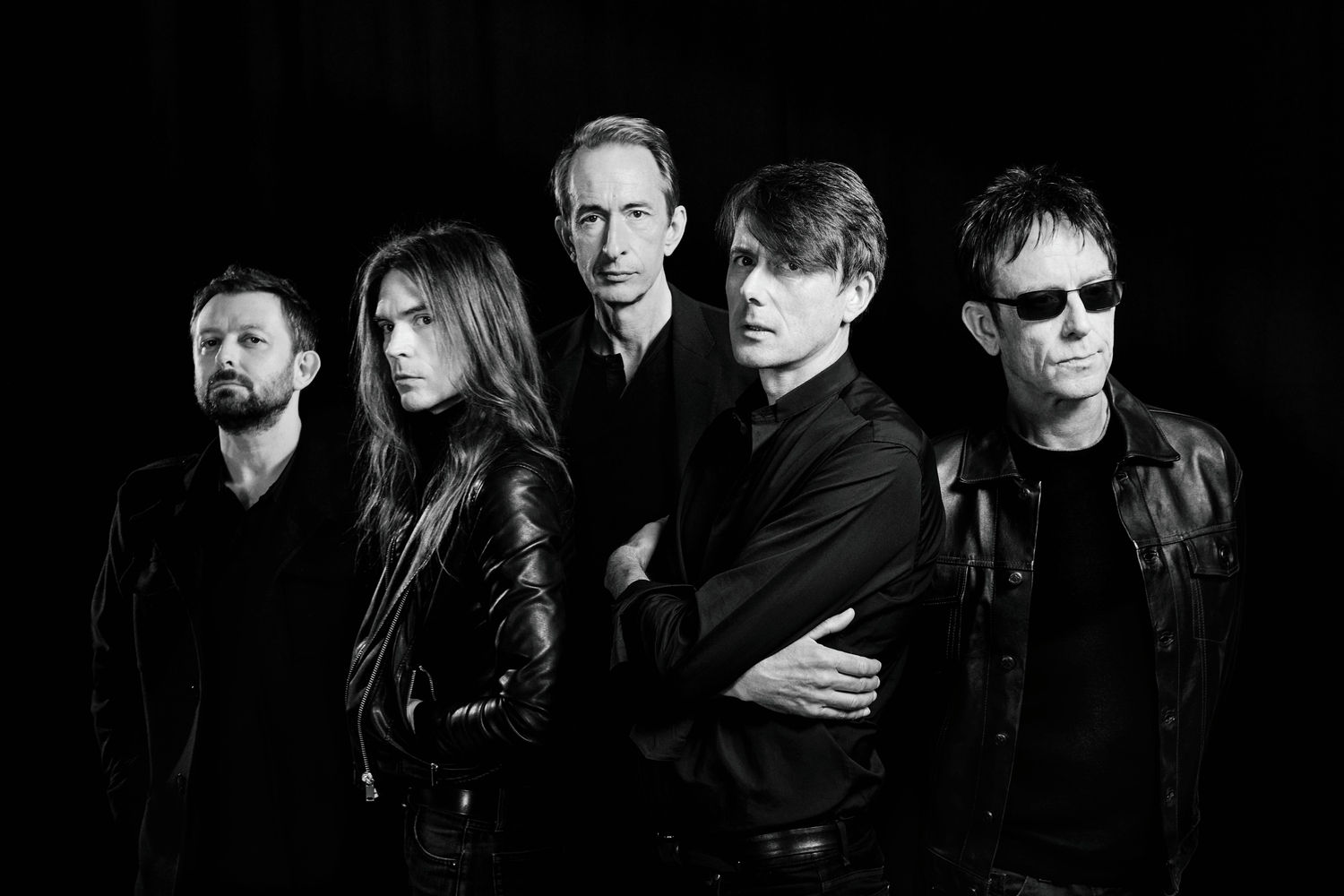
Suede get meditative on new track ‘Trance State’
It’s the second single to be lifted from their forthcoming tenth record.
12th June 2025

Featuring Yard Act, Death Cab For Cutie, Graham Coxon, Maisie Peters and more.